

For students who love competition and dream of playing at a higher level, it is essential to learn how to join college sports in the US.
College sports programs offer opportunities not only to showcase athletic ability but also to secure scholarships and build lasting academic and athletic careers.



Whether you are a local student or coming from abroad, the college recruitment process can seem complex at first. With the right strategy and preparation, becoming a student-athlete in the United States is completely achievable.
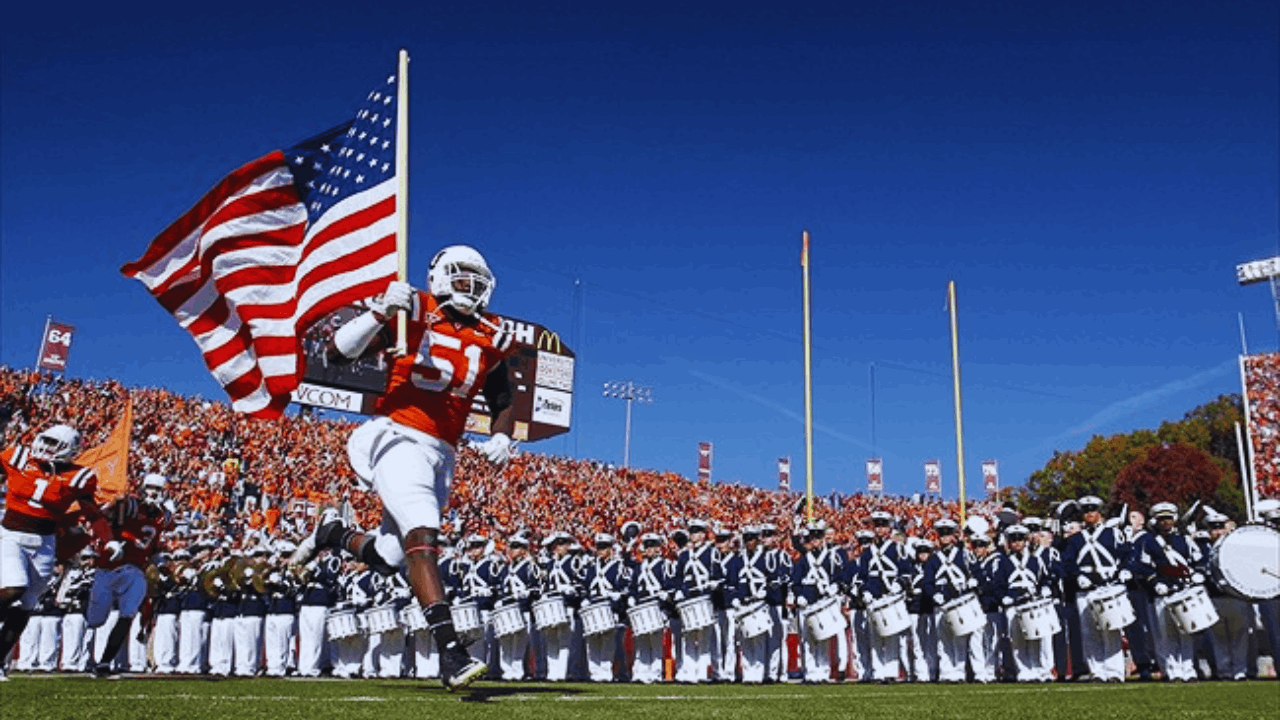
Understand the College Sports System in the United States
Before taking any action, it is important to understand how college athletics work in the country.

The system is divided by governing bodies that manage recruitment, competition levels, and eligibility rules.
Know the Athletic Associations and Their Differences
Most college sports programs in the United States fall under the NCAA, NAIA, or NJCAA. Each organization sets specific guidelines on eligibility, scholarships, and athletic standards.
NCAA schools are often divided into three divisions, with Division I being the most competitive and scholarship-heavy.
NAIA and NJCAA programs offer different pathways, often with more flexible requirements and access to junior colleges. Knowing which organization fits your goals will help you focus your efforts efficiently.
Evaluate Your Athletic and Academic Readiness
Becoming a college athlete is not only about talent in your sport.
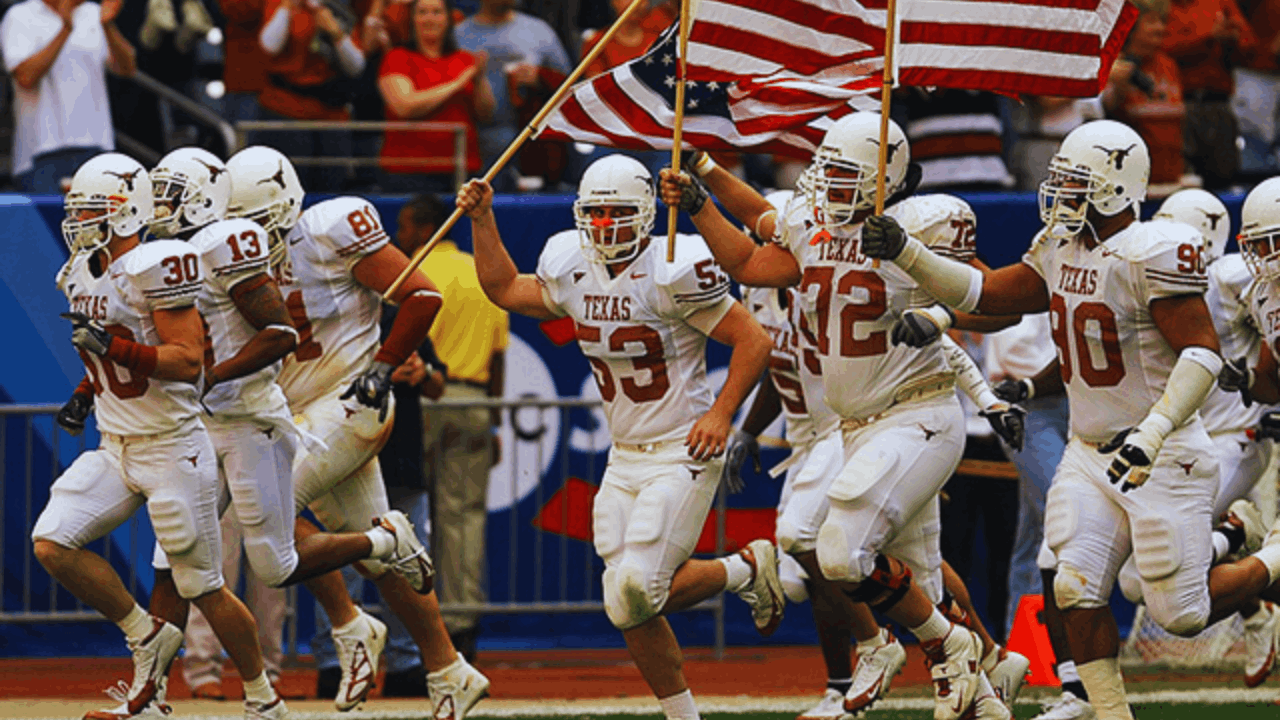
Coaches also look for students who meet academic standards and demonstrate consistent commitment both on the field and in the classroom.
Balance Athletic Performance with Academic Strength
Your athletic record will be important, but your academic performance can determine eligibility and acceptance.
Colleges require transcripts, GPA minimums, and standardized test scores. Coaches also consider how well you can handle the pressure of training and studies together.
Strong academic results make you a more appealing and reliable candidate during recruitment.
Start the Preparation Early and Stay Consistent
If you aim to join a college team, preparation should begin well before your final year of high school.
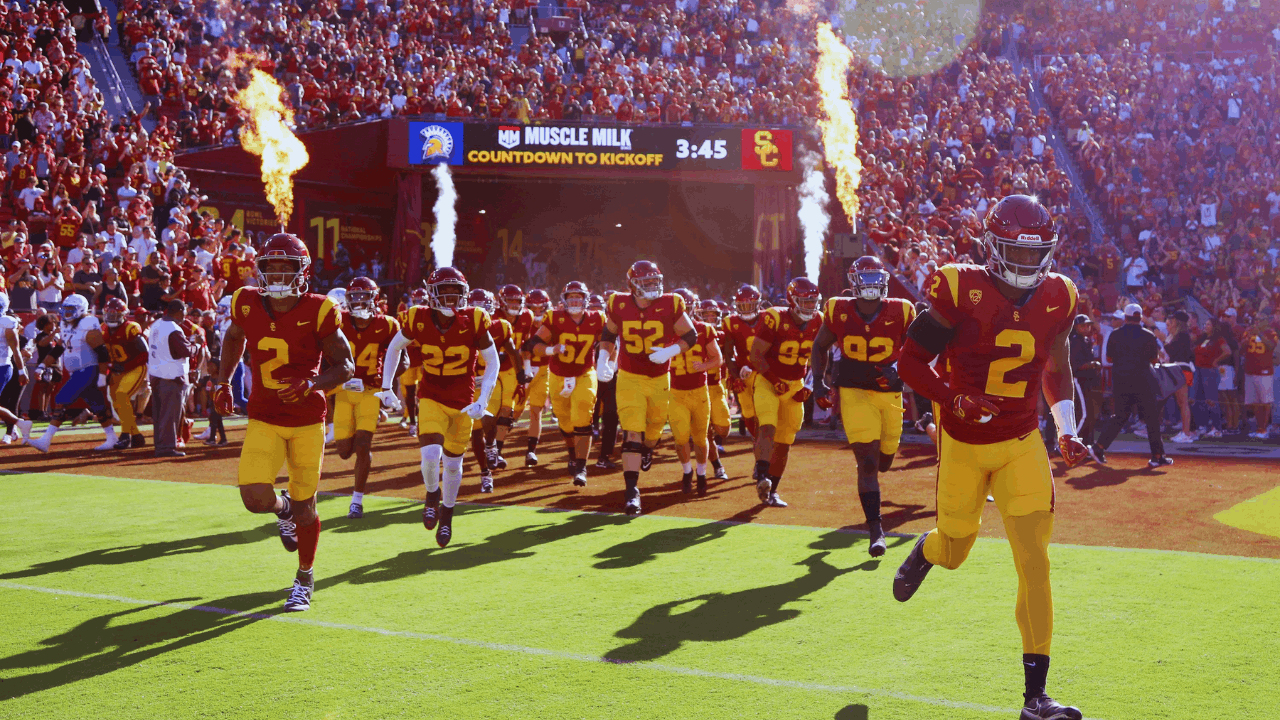
Many athletes start contacting schools or building their profiles as early as their sophomore year.
Build a Timeline for Development and Exposure
Plan out your athletic development so you peak around the time recruiters are watching. Record your performances, participate in official tournaments, and train with reputable coaches.
Keep track of deadlines for eligibility centers, scholarship applications, and testing. The earlier you start, the better your chances of attracting interest from coaches and programs that align with your profile.
Create a Strong Athletic Profile and Highlight Video
Recruiters often review dozens of athletes each day, so you need to present your strengths clearly and professionally.
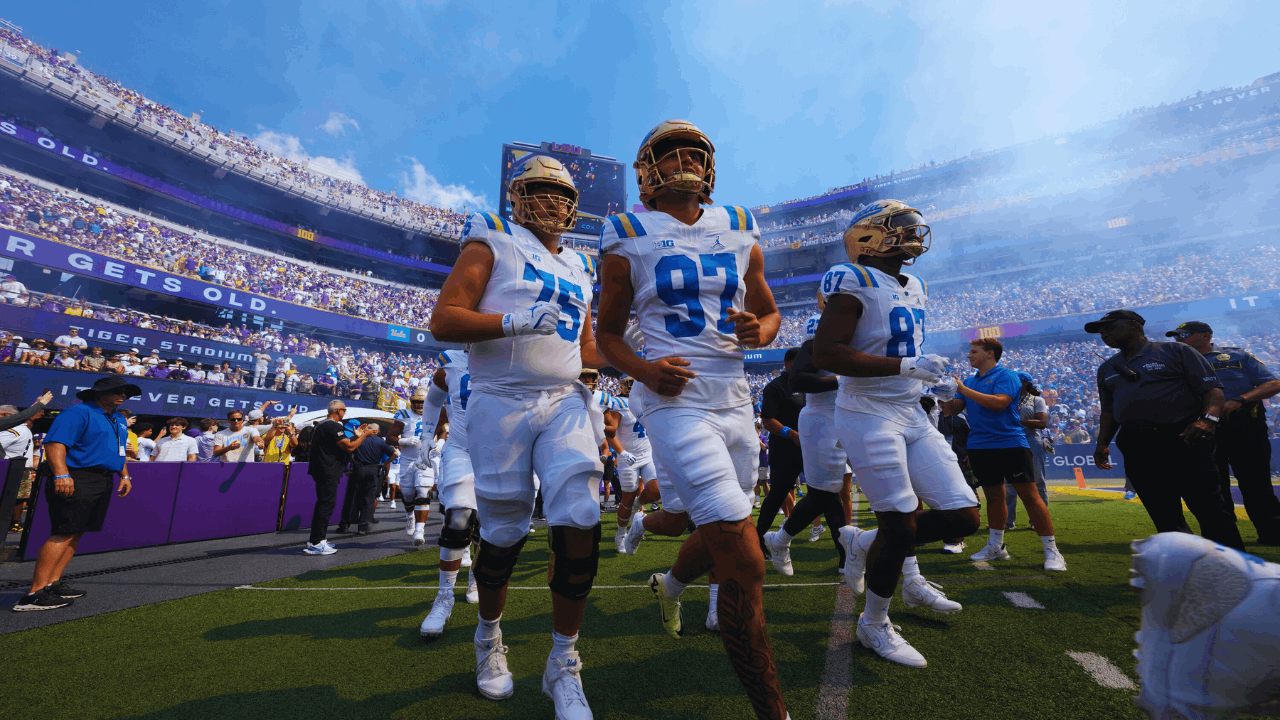
A complete athletic profile makes it easier for coaches to assess your potential.
Include Stats, Skills, and Clear Contact Information
Your profile should show your full name, position, school details, key statistics, and achievements in your sport.
Include academic highlights to show you meet the institution’s standards. A highlight video should feature clean clips of your performance in real matches or competitions.
Make sure the video quality is good and focuses on the skills relevant to your position.
Reach Out to College Coaches Directly
Waiting to be discovered is not a reliable plan.
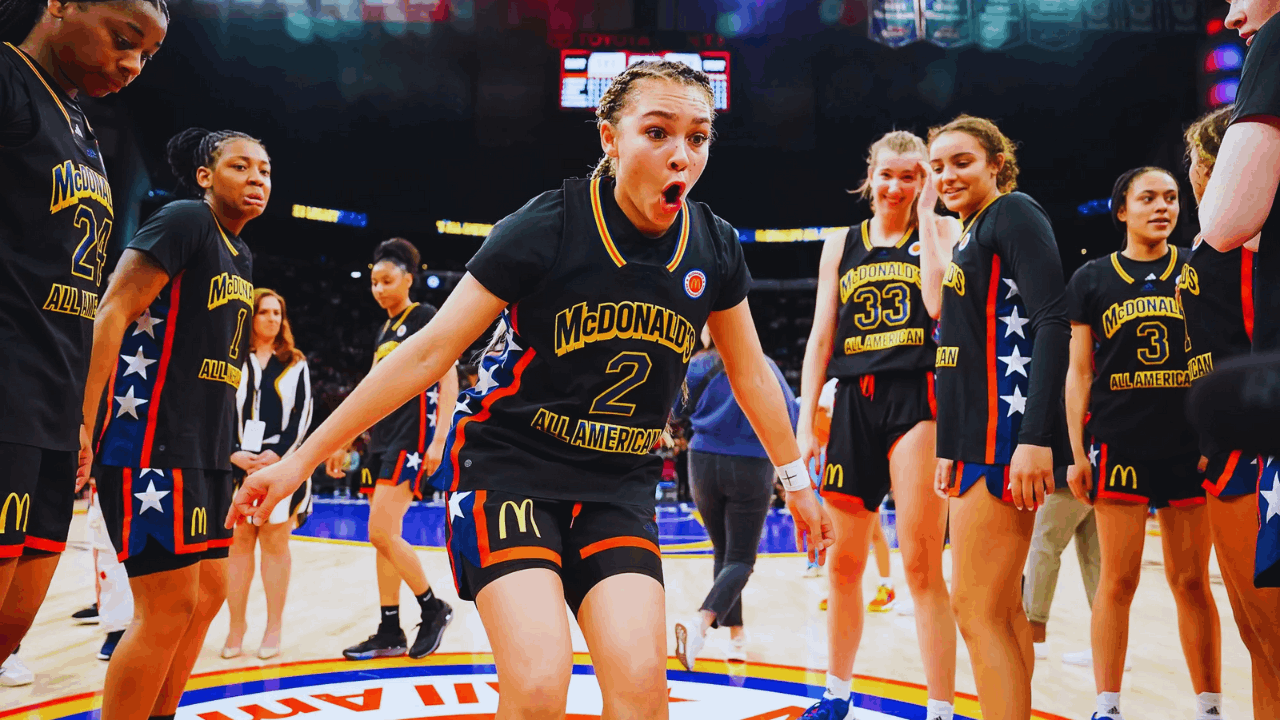
Proactive outreach to coaching staff increases your visibility and shows initiative, which many coaches value highly.
Send Personalized and Well-Timed Emails
When contacting coaches, include your profile, video, and academic summary. Explain why their school interests you and how you can contribute to their team.
Always follow up politely if you do not receive a reply within a few weeks. Persistence, when done respectfully, demonstrates dedication and interest in the program.
Register with the NCAA or NAIA Eligibility Centers
Eligibility centers evaluate your academic records, amateur status, and compliance with association rules.
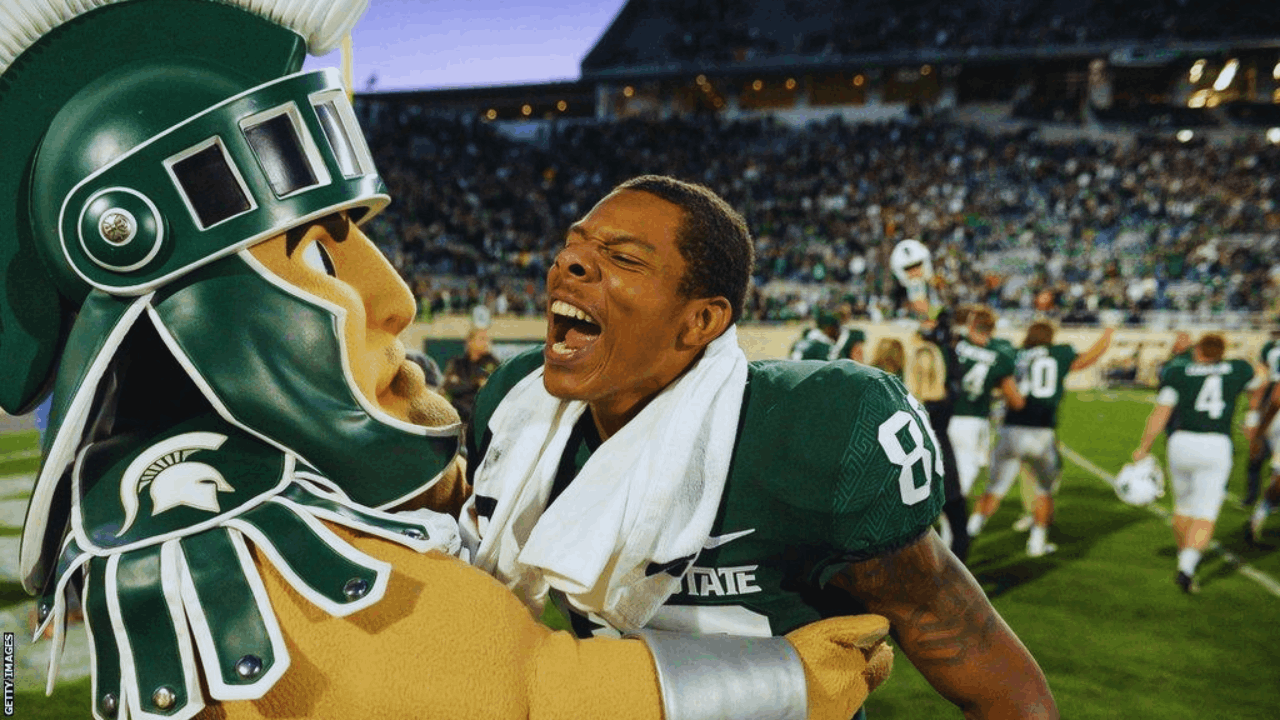
Registration is required before you can participate in certain levels of competition.
Complete the Process with Accuracy and Honesty
Provide your transcript, graduation status, and details of your athletic history. Avoid any false information about your training, coaches, or competitions.
Once cleared, you will receive a certification that allows you to compete in NCAA or NAIA events. Coaches also rely on this clearance to ensure you meet their institutional standards.
Attend Sports Camps and College Showcases
Participating in events where coaches are present increases your chances of being seen.
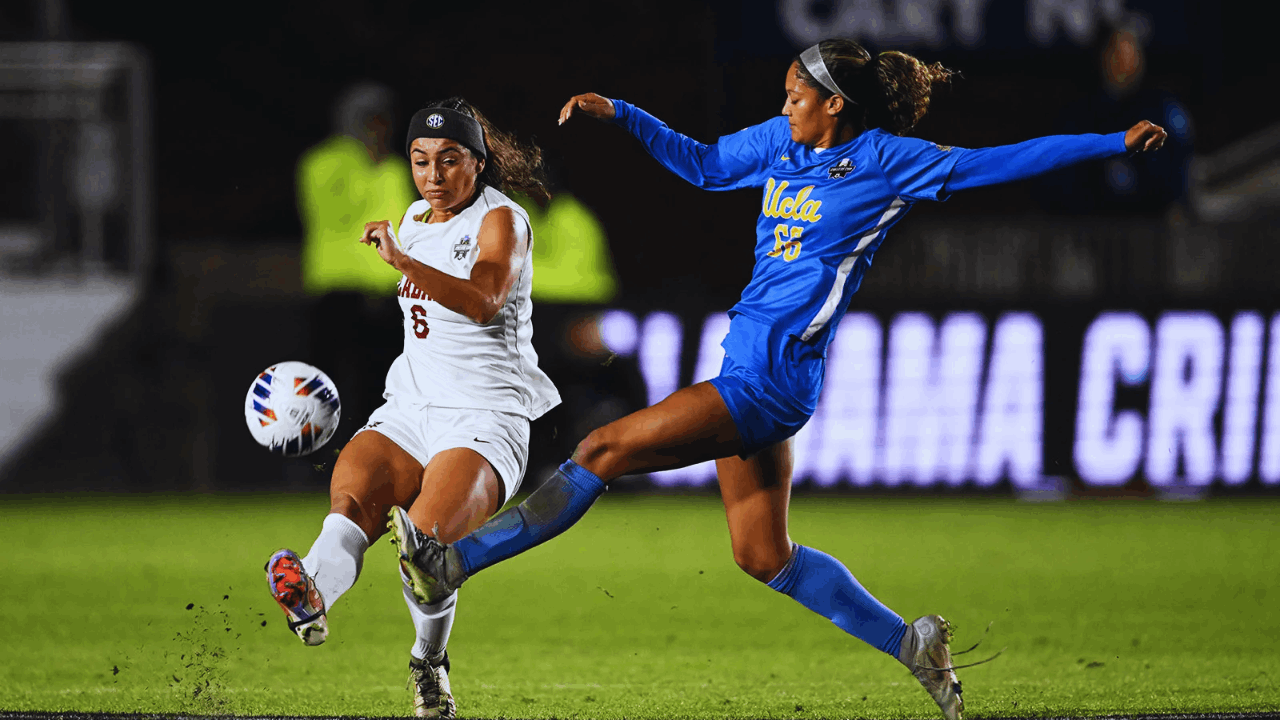
Schools or private sports organizations often hold these.
Use These Events to Make a Live Impression
Showcases allow coaches to evaluate your physical presence, attitude, and game performance in real time.
These moments can confirm what they see in your video and profile. After the event, send a follow-up email to thank them and reintroduce yourself.
Being professional and respectful can make your name stand out among dozens of participants.
Research Schools That Match Your Profile and Goals
Not every athlete is destined for Division I, and that is perfectly acceptable.
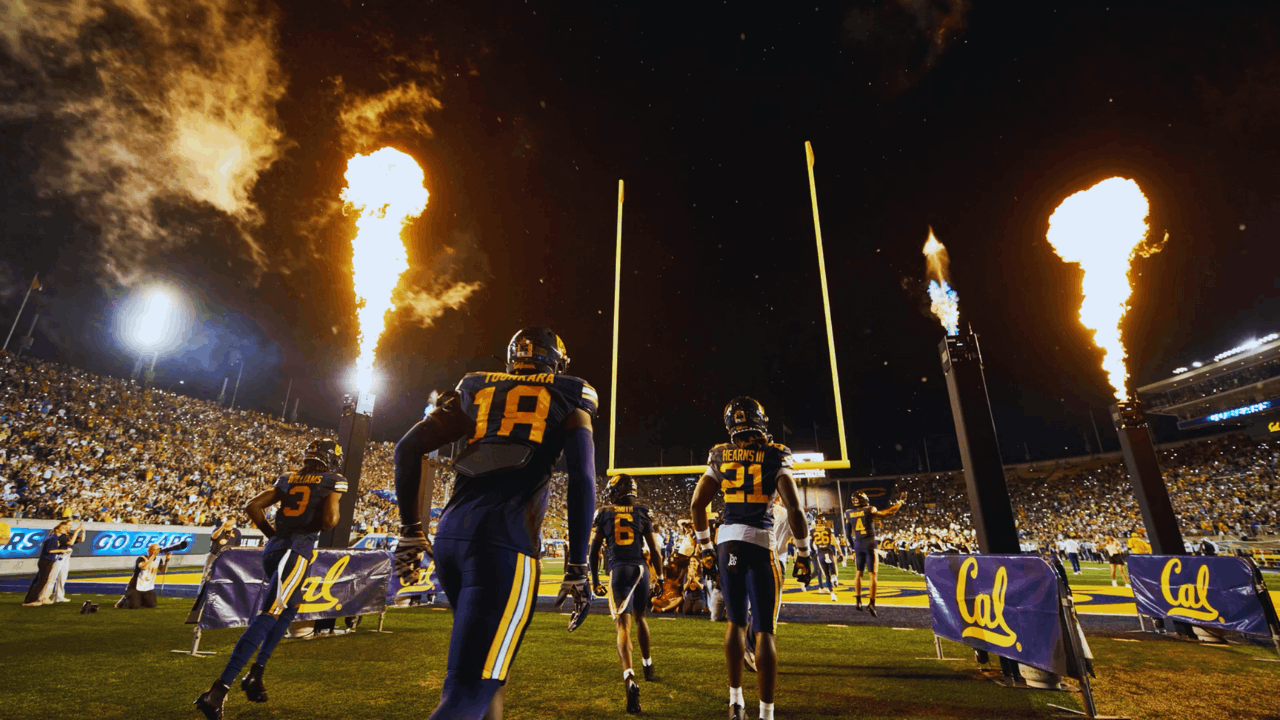
What matters is choosing a school where you will thrive both academically and athletically.
Prioritize Fit Over Prestige
Some smaller programs offer more playing time, better coaching attention, and stronger academic support.
Focus on schools that match your skill level, academic interests, and lifestyle preferences. Visit campuses if possible to experience the environment firsthand.
A good fit helps you stay motivated and perform well throughout your college years.
Understand Scholarship Opportunities and Financial Aid
Scholarships can help you afford college, but they are limited and highly competitive.
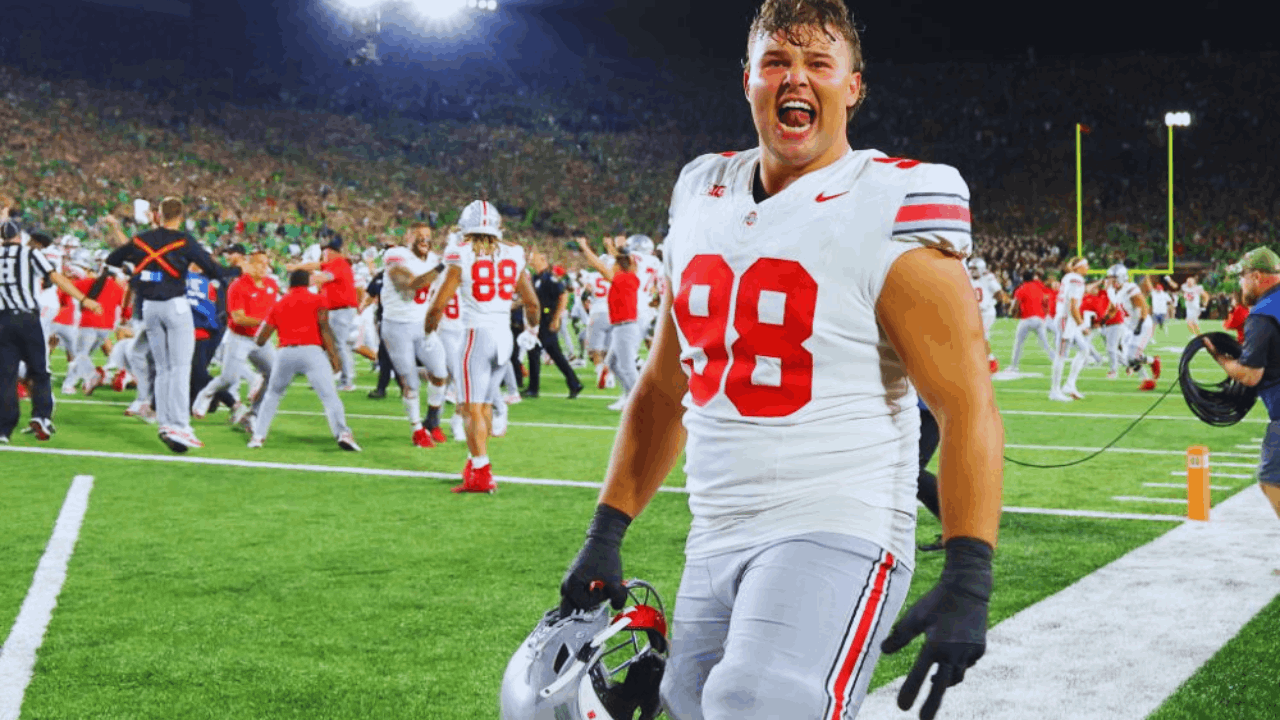
Each school handles athletic funding differently depending on sport, level, and team needs.
Know What Is Covered and What Is Not
Some scholarships cover full tuition, while others offer only partial support. You may need to combine athletic aid with academic scholarships or need-based financial assistance.
Discuss these details directly with coaches or financial aid offices. Clarity about what to expect helps you make informed decisions early on.
Stay Compliant with Amateurism Rules and Conduct
To compete in college sports, you must maintain amateur status, which means you cannot receive payment for playing or sign with professional agents.
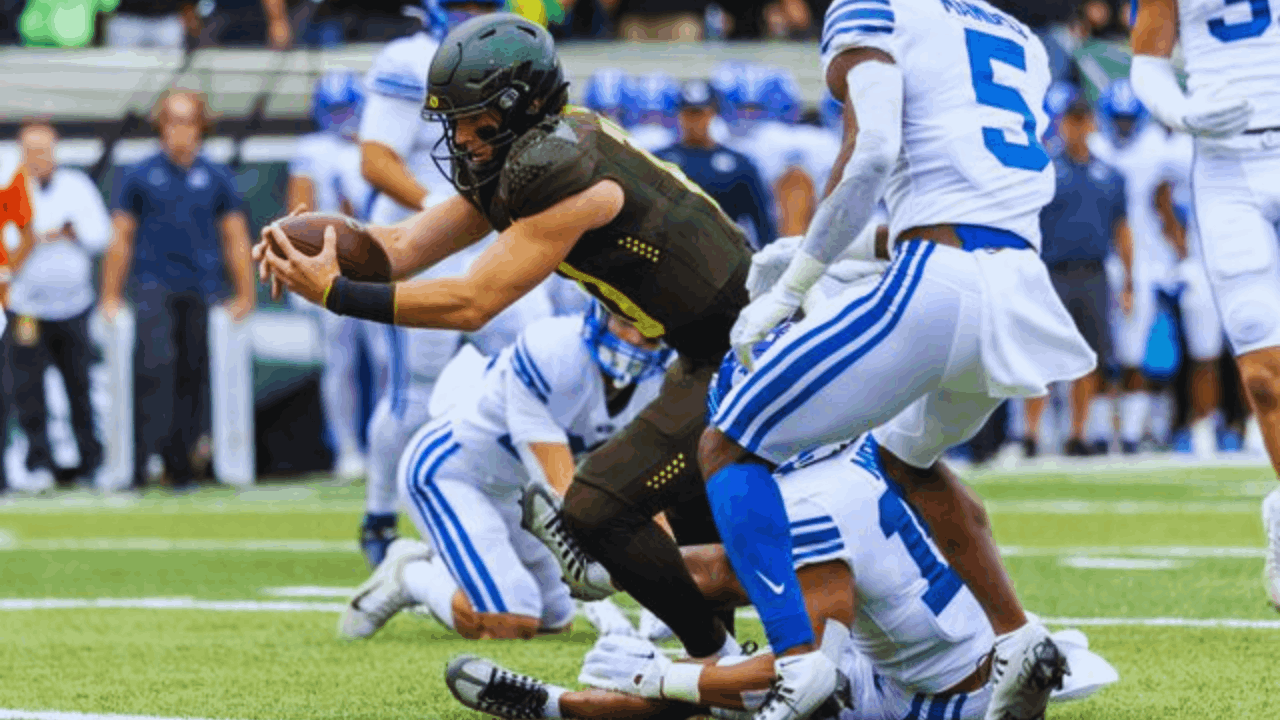
These are just some of the things that you need to keep in mind.
Avoid Actions That Violate Eligibility
Do not accept payment, gifts, or deals that could be seen as compensation for athletic performance. Avoid signing agreements without understanding how they affect your status.
The rules are strict, and violations can lead to disqualification. Ask questions when in doubt and review updates from your association regularly.
Use Social Media to Your Advantage
College coaches often review public social profiles to learn more about a candidate’s personality, conduct, and attitude outside of sports.
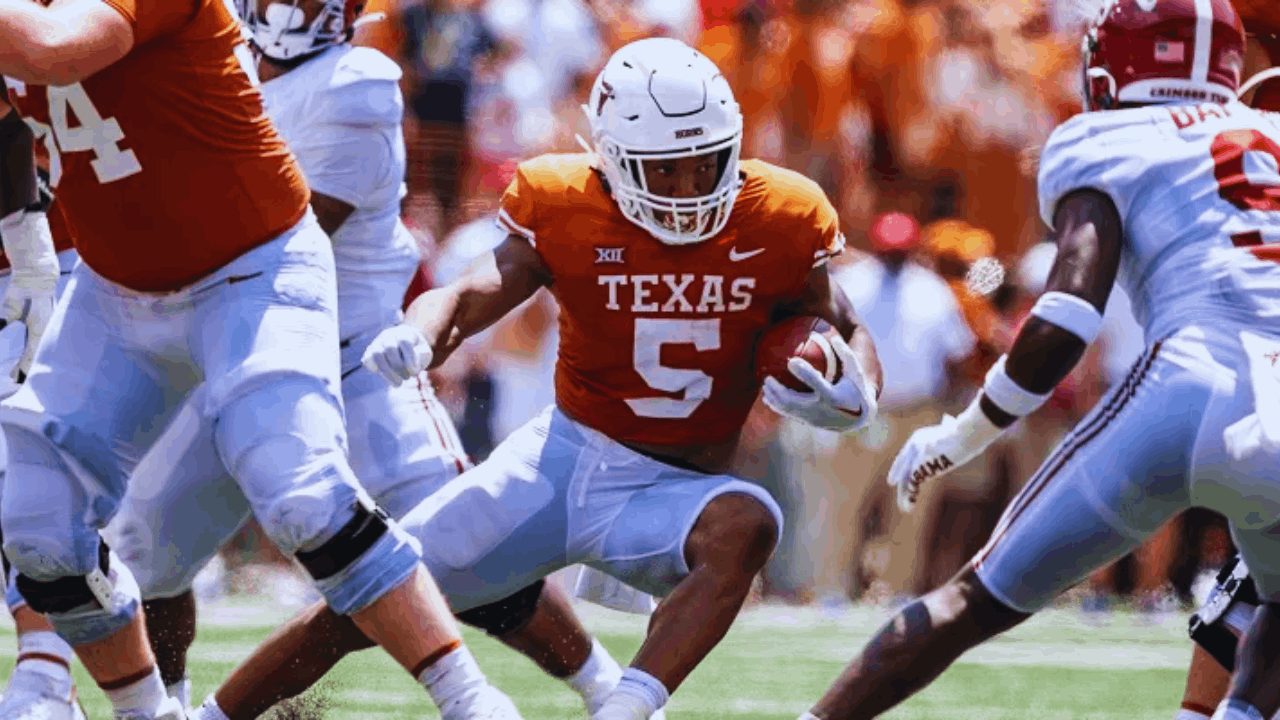
Make sure that you have a very welcoming social media profile and remove anything that might be used against you.
Keep Your Content Clean and Purposeful
Avoid posts that show poor behavior, offensive language, or negativity. Share training sessions, highlights, academic achievements, and community service.
Your profile should reflect discipline, focus, and positivity. A consistent, professional presence online can reinforce your appeal to college programs.
Be Open to Redshirting and Developmental Programs
Some athletes start their college journey without immediate game time.
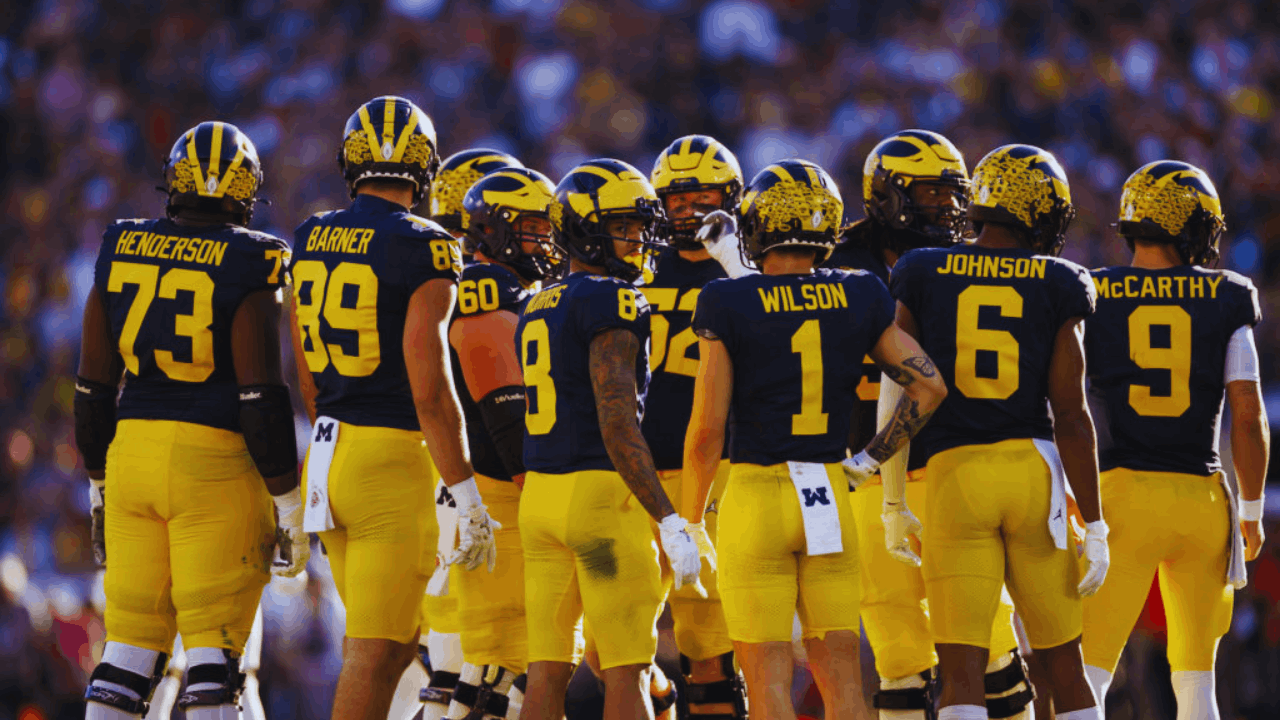
Redshirting allows you to train with the team for a year while preserving eligibility.
Use This Time to Improve and Adjust
Redshirting can be a smart move if you are adjusting to a new environment or need to build physical strength. It gives you extra time to learn the system, bond with teammates, and prepare for competition.
Embrace it as a growth opportunity rather than a setback. Coaches often respect players who use redshirt years to mature both mentally and athletically.
Maintain Motivation Through Setbacks and Delays
The process of joining college sports is competitive and can involve rejection.
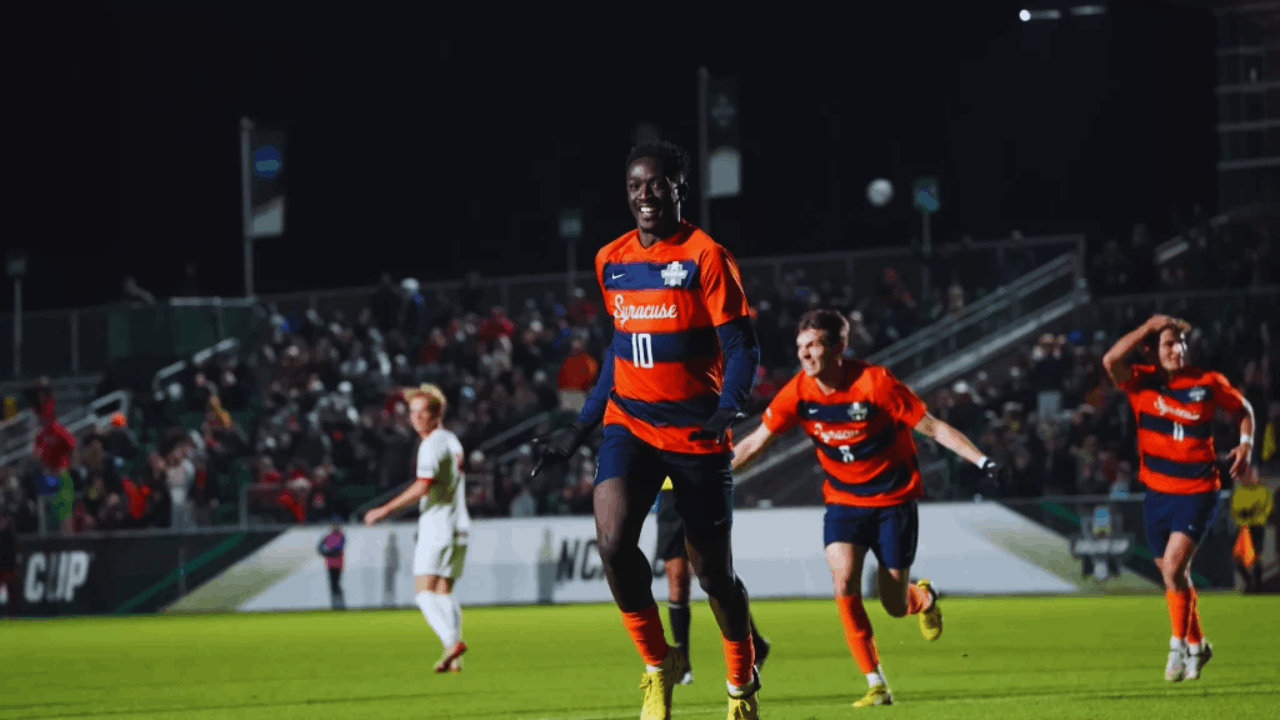
Maintaining your drive and belief in your goals is essential.
Focus on Progress, Not Perfection
Reframe every challenge as an opportunity for learning. Improve what you can control, such as your speed, grades, or communication style.
Stay connected with mentors and coaches who support your journey. Determination and resilience often matter as much as talent when building a successful student-athlete path.
Conclusion
It takes commitment, preparation, and persistence to learn how to join college sports in the US, but the payoff is significant. With access to top facilities, experienced coaches, and academic support, college athletics open doors far beyond competition.
Stay organized, stay proactive, and remain adaptable to the process. College sports can be the launchpad for lifelong achievement, both on and off the field.