
If you want to know how to apply for a painting job, this guide provides a clear pathway to entering the profession.
Painting jobs are available in residential, commercial, and industrial settings, offering opportunities for both skilled tradespeople and beginners.
By understanding job types, benefits, requirements, and application steps, you can strengthen your position in the competitive market. With proper preparation and the right tips, you can land a reliable role in the painting industry.

What Are the Available Painting Jobs
Painting jobs are diverse, ranging from residential painters working on homes to industrial painters handling large equipment and protective coatings.
Commercial painters often focus on offices, schools, or retail environments that require clean finishes and adherence to safety standards.

Some positions are seasonal or project-based, while others provide permanent, full-time employment with consistent work.
Specialized roles, such as restoration painters or decorators, also exist for individuals with advanced skills.
Residential and Commercial Opportunities
Residential painting remains one of the most common roles in the field, as demand for home improvements continues to rise.
Commercial painters are employed for larger projects where teamwork and efficiency are critical.
Employers seek painters with attention to detail who can deliver consistent quality within deadlines. Both options offer steady work across urban and suburban areas.
Industrial and Specialized Roles
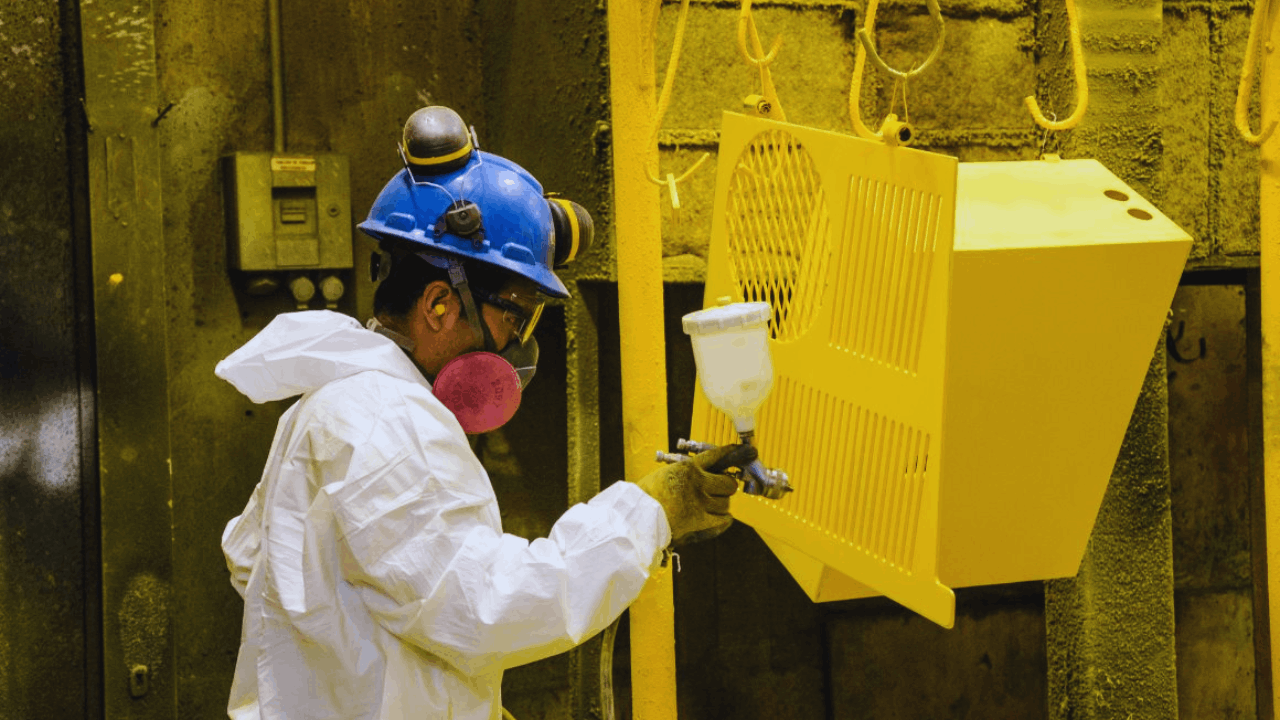
Industrial painting requires expertise in applying protective coatings to machinery, ships, or infrastructure to prevent corrosion.
These jobs often involve working with heavy-duty materials and safety equipment, requiring specialized training.
Restoration and decorative painters focus on detailed finishes for heritage buildings or interior design projects. These specialized sectors offer higher wages but demand advanced skills and certifications.
Benefits of Working in Painting Jobs
Painting jobs provide steady employment and can be pursued without extensive formal education, making them accessible to many.

Many employers offer training on the job, giving new hires a chance to learn while earning.
Experienced painters often enjoy competitive salaries, flexible schedules, and opportunities for self-employment. The satisfaction of seeing visible results from your work adds to the appeal of the profession.
Financial and Career Advantages
Entry-level painters receive fair wages, while skilled professionals can command higher rates and contract opportunities.
Over time, painting can lead to supervisory roles or business ownership for entrepreneurial individuals.
Career growth is supported by the high demand for construction and maintenance painting. Many professionals choose this path as it combines stability with advancement.
Personal and Lifestyle Benefits
The job offers physical activity and the opportunity to work in various environments, keeping tasks engaging.
Flexible hours are common in smaller businesses or freelance work, offering a better work-life balance.
The profession also provides job satisfaction through the transformation of spaces. These personal benefits encourage many to remain in the trade long term.
Why You Should Apply for Painting Jobs
Painting jobs offer stability in industries where demand remains constant due to construction and renovation needs.

Businesses, homeowners, and industrial companies continuously require painting services for maintenance and new projects.
Choosing a painting career gives you entry into a field that combines manual skill with creativity. This combination makes it an attractive option for workers seeking steady, rewarding employment.
Long-Term Industry Demand
The construction sector consistently requires painters, ensuring opportunities in almost every region. Economic fluctuations have less of an impact on the need for maintenance and repainting services.
This reliability makes painting a dependable trade with fewer job market risks. Workers benefit from knowing their skills are always in demand.
Opportunities for Growth
Many professionals use painting jobs as a foundation to grow into management or entrepreneurship. Skilled workers often start their own businesses, hiring crews and managing contracts independently.
Those seeking security can pursue long-term employment with established construction firms. Both paths allow workers to shape careers suited to their goals.
Requirements for Applying for Painting Jobs
Most entry-level painting jobs require only a high school diploma or equivalent, though many employers accept candidates without formal education.

Experience or apprenticeships can provide an advantage, especially for specialized roles.
Safety training, color knowledge, and manual dexterity are often expected for consideration. Strong communication and teamwork skills also enhance eligibility.
Technical Skills and Certifications
Employers may require applicants to demonstrate knowledge of tools, materials, and surface preparation techniques.
Certifications in safety, scaffolding, or hazardous material handling improve application strength.
For industrial roles, advanced training in protective coatings or spray-painting may be required. These technical credentials can increase both employability and earning potential.
Physical and Personal Requirements
Painting is physically demanding, requiring stamina, attention to detail, and the ability to work at heights. Good vision, steady hands, and patience are essential qualities in a successful painter.
Employers also value punctuality and reliability due to the project-based nature of work. These personal attributes demonstrate readiness for the role.
How to Apply for a Painting Job
The first step is to search for openings through online job boards, company websites, or local trade unions.

Many employers require digital applications where resumes highlight relevant skills and experience.
Walk-in applications and referrals are also common, especially in smaller firms or local contracting businesses. Following up after submission shows initiative and strengthens your chances.
Application Process Step by Step
Prepare a professional resume that emphasizes painting experience, training, or transferable skills.
Submit your application directly through official channels such as company career portals or construction hiring agencies.
Be prepared for an interview that may include questions on safety, project experience, and customer interaction. Once selected, you may undergo a probationary period or initial training.
Standing Out During Applications
Customize your resume for each role, focusing on the requirements listed in the job description. Provide references who can confirm your reliability and skill level.
Highlight specialized knowledge like spray techniques or decorative painting if relevant. A tailored approach signals to employers that you understand their specific needs.
Tips for Applying for Painting Jobs
Preparation plays a crucial role in securing painting positions quickly and effectively. Start by researching the company or contractor before submitting your application.
Arriving on time and presenting yourself professionally during interviews leaves a positive impression.
Maintaining good communication with potential employers shows seriousness about the role.
Networking and Referrals
Networking is a powerful tool in the painting industry, as many jobs are filled through word-of-mouth. Connecting with contractors, suppliers, and local unions helps you discover hidden opportunities.
Joining professional associations can also expand your reach. Building relationships increases your chances of finding steady work.
Continuous Skill Development
Invest in developing your skills through workshops, certifications, and hands-on experience. Employers value candidates who demonstrate commitment to improving their craft.
Staying updated with new materials and techniques makes you more competitive. Continuous learning also opens doors to higher-paying, specialized positions.
Showcasing a Professional Portfolio
Creating a portfolio of past projects is an effective way to differentiate yourself during the application process. Include before-and-after photos and highlight your role in each project.
A portfolio demonstrates your capabilities more effectively than descriptions alone. Employers appreciate visual proof of quality and consistency.
Conclusion
Learning how to apply for a painting job involves understanding the roles available, the benefits of the profession, and the requirements for applicants. Painting jobs offer stability, advancement opportunities, and personal satisfaction, making them a strong career choice.
By preparing a tailored application, building networks, and developing your skills, you can access rewarding opportunities in this field. With persistence and preparation, you can begin a long-term, successful career in painting today.